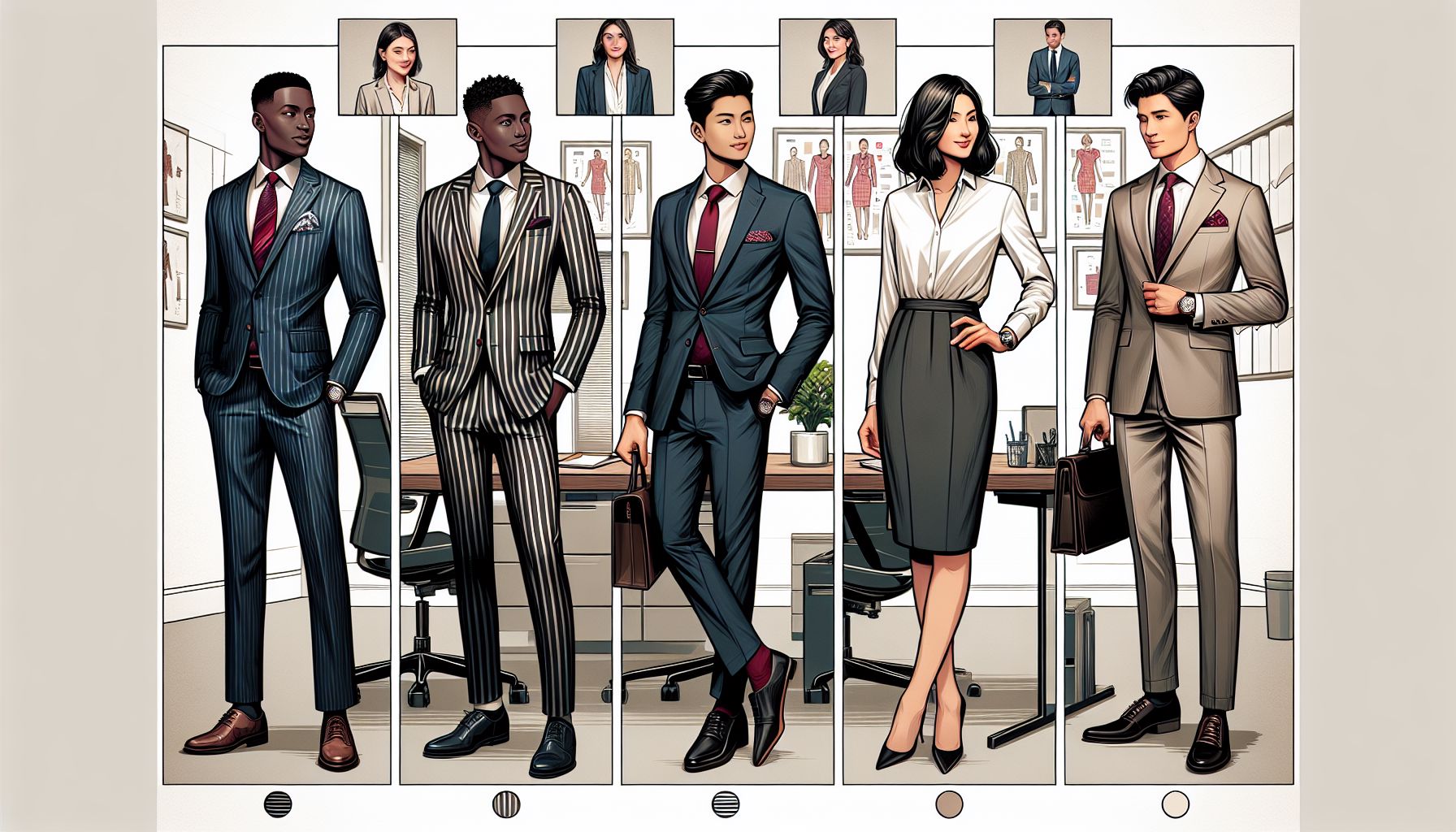
Dressing for Success: Navigating Appropriate Workplace Outfits Like a Pro
Hey there,
Welcome to another important talk on the road to adulthood. I promise, this isn’t going to be another boring lecture. Instead, together we will navigate the nuances of dressing appropriately for your workplace while maintaining your personal style. This is a chat that bridges the gap between being overly formal and unnecessarily casual while looking amazing in that smart attire.
The Art of Dressing Right
Few things are as vital as coming across as professional at your workplace. It not only helps you score brownie points during meetings, but it also sets the tone for your work ethic. The way you dress has a subtle yet profound effect on your confidence, productivity, and how others perceive you. It’s crucial to strike a balance between doing justice to your role and not stifling your personality.
Dressing is a form of art, and your clothing is a canvas that you curate and exhibit for the world.
Following Dress Codes
Every workplace or industry has a set dress code that employees are expected to follow. Often, this code is based on the level of formality appropriate for interaction with clients, coworkers, and superiors. Whether it’s business formal, business casual, or smart casual defines the boundary of your sartorial decorum.
– Business Formal
Choosing a business formal attire calls for a refined choice of clothing. For men, a well-tailored suit in a neutral color such as black, grey or navy is perfect, paired with a solid or subtly patterned tie, and a crisp, light-colored shirt. For women, a suited dress, pantsuit, or skirt suit in a conservative color, paired with a blouse, and closed-toe heels or flats would be the ideal fit.
– Business Casual
Business casual gives you a bit more room to express your style. Men can opt for chinos or smart trousers paired with a polo shirt or a button-down shirt. Women can choose from tailored pants, skirts or dresses, and pair it with a blouse or dressy knit top. Closed-toe shoes, loafers, or dress shoes are suitable for both.
– Smart Casual
This code strikes a beautiful balance between formality and comfort. Men can pair jeans or chinos with a casual button-down or a high-quality t-shirt, thrown in with loafers or fashionable sneakers. Women can opt for a blend of weekend and workwear by pairing a dressy top with designer jeans and chic accessories.
Color Codes and Seasonal Knits
A strategic use of color can make a statement while a careful choice of fabric can ensure comfort.
Stick to neutral colors for staple wardrobe pieces. You can add subtle splashes of color through accessories such as ties, scarves, or jewelry.
Seasonal fabric choices are equally essential. Opt for breathable fabrics like cotton or linen for summers and luxurious wool or cashmere for winters to stay comfortable and chic.
Personal Grooming and The Final Touches
You may have chosen the perfect outfit, but disheveled hair or unkempt nails can spoil the whole look. Your personal grooming plays an equally essential role.
Finally, remember that less is more when it comes to accessories. You can accessorize, but don’t overdo it. Choose a classic wristwatch, minimal jewelry and a professional bag or briefcase to complement your look.
Conclusion
In essence, dressing appropriately for your workplace isn’t about suppressing your individuality. It’s about contextualizing your personal style into an environment that demands certain sartorial codes.
Analyze your wardrobe and plan your outfit the night before to avoid any last-minute hassle. When you dress with purpose and precision, you command respect and exude a professional aura. Remember, it’s not just about looking the part, but about feeling the part too.
Above all, confidence is the key! Be you, dress smart, and let your attire speak volumes about your dedication to your work.
Happy workwear planning!